
Japanese Style Sofa Bed: The Complete Guide to Low-Profile Living
Discover how Japanese-inspired design transforms a simple sofa bed into a functional work of art. Explore low-profile frames, tatami aesthetics, natural materials, and space-saving wisdom that bring calm and order to any modern home.
Start Your Journey →Why Japanese Style? Japanese design philosophy centers on simplicity, natural materials, and purposeful living. A Japanese style sofa bed embodies this ethos — it's low to the ground, visually lightweight, and often multifunctional. Whether you live in a studio apartment or simply crave a serene, uncluttered living room, this guide will help you understand the design, materials, and practical considerations before you buy. If you're exploring broader options, our minimalist sofa bed collection offers excellent starting points.
What Makes a Sofa Bed "Japanese Style"?
A Japanese style sofa bed isn't just a piece of furniture — it's a design statement rooted in centuries of Japanese interior tradition. Unlike conventional sleeper sofas that prioritize bulky cushioning and hidden mechanisms, Japanese-inspired designs embrace a low profile, often sitting just 10 to 16 inches off the floor. This low center of gravity creates an immediate sense of calm and spaciousness, making even small rooms feel airy and open.
The defining characteristics include a solid wood or metal frame with clean, straight lines, minimal ornamentation, and a strong connection to nature through materials like bamboo, rattan, oak, and linen. Many models function as a foldable floor sofa bed, allowing you to completely transform the room by folding and storing the unit away during the day. This multifunctionality is central to the Japanese approach to living — every object should serve a purpose without visual clutter.
Another hallmark is the use of tatami-inspired elements. While true tatami mats are made from woven rush grass, modern Japanese sofa beds often reference this texture through woven fabrics or low platform bases. The result is a piece that feels grounded, organic, and effortlessly elegant. If you appreciate the idea of bed-like comfort without the visual weight of a traditional American sleeper, Japanese design offers a compelling alternative.
Low Profile Frame
Sits 10–16 inches high, creating an open, airy feel and making small spaces appear larger. Perfect for rooms with low ceilings.
Natural Materials
Solid wood, bamboo, rattan, and linen are standard. These materials age gracefully and connect your interior to nature.
Minimalist Aesthetic
Clean lines, no bulky armrests, and a focus on proportion. The design emphasizes calm and order over ornamentation.
Multifunctional Design
Many models fold flat, convert to a bed, or offer hidden storage. Ideal for studio apartments and guest rooms.
Popular Types of Japanese Style Sofa Beds
Japanese-inspired sofa beds come in several distinct configurations, each suited to different living situations and preferences. Understanding these types will help you narrow down the best option for your home.
1. The Traditional Futon Sofa Bed. This is the classic Japanese design — a simple mattress-like cushion placed on a low wooden frame. Unlike Western futons, Japanese futons are typically thinner and designed to be folded and stored away daily. Modern versions often use high-density foam for better support. If this appeals to you, explore our dedicated full-size futon sofa bed guide for detailed comparisons.
2. The Low-Profile Convertible Sofa. These models feature a wooden or metal frame with a backrest that folds down to create a sleeping surface. They often use a slide-out mechanism or a simple fold-flat design. The result is a piece that looks like a sleek sofa by day and a comfortable bed by night, without the bulk of a traditional pull-out couch.
3. The Tatami-Style Platform Sofa Bed. Drawing directly from tatami room aesthetics, these pieces use a low platform base with modular cushions. The platform may be made from slatted wood or woven materials. They are ideal for creating a dedicated zen corner or meditation space that doubles as a guest sleeping area.
4. The Minimalist Wooden Frame Sofa Bed. These designs emphasize the frame itself — often crafted from solid oak, walnut, or bamboo. The cushions are typically thinner and firmer, reflecting the Japanese preference for upright, supportive seating. Many models include sofa bed with drawers for discreet storage, combining beauty with practicality.
Pros and Cons of Japanese Style Sofa Beds
Before committing to a Japanese style sofa bed, it's important to weigh the benefits against the potential drawbacks. This design isn't for everyone, but for the right home, it's transformative.
✓ Advantages
- Space-saving design ideal for small apartments and studios
- Visually lightweight — makes rooms feel larger and brighter
- Natural materials age beautifully and are eco-friendly
- Multifunctional — often converts to a bed or stores away
- Calming aesthetic promotes relaxation and mindfulness
- Easy to clean and maintain with simple care routines
− Considerations
- Lower seating height may be uncomfortable for some users
- Firmer cushions require an adjustment period
- Not ideal for people with mobility issues or back problems
- Limited availability in some markets compared to Western styles
- May require a supportive base or rug for optimal comfort
- Higher-quality models can be expensive
Materials and Construction to Look For
The quality of a Japanese style sofa bed depends heavily on the materials used. Here's what to prioritize:
Frame Material: Solid wood is the gold standard. Look for oak, walnut, maple, or cherry — these hardwoods are durable and develop a beautiful patina over time. Bamboo is an excellent sustainable alternative with impressive strength-to-weight ratio. Avoid particle board or MDF, which can sag under weight and off-gas chemicals. If you prefer a more industrial look, a metal frame sofa bed can work, but it's less traditional for Japanese design.
Upholstery: Natural fabrics dominate Japanese interiors. Linen is the most authentic choice — it's breathable, durable, and has a relaxed, organic texture. Cotton is a close second. For a more luxurious feel, consider a leather futon sofa bed, though this leans more contemporary than traditional. Wool and hemp are also excellent choices for their durability and natural temperature regulation.
Cushion Fill: Japanese sofas typically use high-density foam, latex, or cotton batting. High-density foam provides the best support and longevity. If you want a plusher feel, look for a sofa bed foam mattress that balances softness with support. Some premium models use memory foam futon sofa bed construction, which contours to your body but may feel too soft for traditional Japanese aesthetics.
Joinery: Traditional Japanese furniture uses mortise-and-tenon joinery — no screws, no nails. This technique creates incredibly strong, long-lasting joints. While fully traditional joinery is rare in mass-produced furniture, look for models that use reinforced joints and quality hardware. A sturdy sofa bed will last for decades with proper care.
Japanese Style Sofa Bed Price Guide
Prices for Japanese style sofa beds vary widely depending on materials, craftsmanship, and size. Here's a realistic breakdown of what you can expect to pay in today's market:
| Category | Materials | Price Range | Best For |
|---|---|---|---|
| Budget | Engineered wood, basic foam, synthetic fabric | $200–$450 | Guest rooms, temporary setups, first apartments |
| Mid-Range | Solid wood frame, high-density foam, linen blend | $450–$900 | Primary living room, daily use, studio apartments |
| Premium | Hardwood, latex or memory foam, pure linen | $900–$1,800 | Design-focused homes, daily sleeper use, long-term investment |
| Luxury | Handcrafted joinery, organic materials, custom sizing | $1,800–$3,500+ | Collectors, custom interiors, heritage furniture |
For most buyers, the mid-range category offers the best balance of quality, durability, and price. If you're looking for an affordable pull-out sofa bed alternative that captures the Japanese aesthetic, you can find excellent options in the $450–$700 range. Conversely, if you want a luxury sofa bed for everyday use, investing in the premium or luxury tier will pay off in comfort and longevity.
Styling Your Japanese Style Sofa Bed
Japanese interior design is as much about what you don't include as what you do. Here are some practical styling tips to create a harmonious, zen-inspired living space:
Keep It Low and Open. Avoid heavy coffee tables and bulky armchairs. Instead, use a low wooden coffee table or a simple tray table. This preserves the open feeling that makes Japanese design so appealing. A cozy sofa bed paired with floor cushions creates an inviting, casual seating area.
Layer Natural Textures. Add a woven jute rug, linen throw blankets, and cotton floor cushions. These natural textures reinforce the Japanese aesthetic and make the space feel warm and lived-in. Avoid synthetic materials and loud patterns.
Use a Muted Color Palette. Think earth tones: beige, taupe, soft gray, moss green, and warm brown. These colors create a calming atmosphere and allow the natural beauty of your sofa bed's materials to shine. If you want a pop of color, choose a single accent — like a green fold-out sofa bed — and keep everything else neutral.
Incorporate Plants and Natural Light. A single bonsai, a branch in a ceramic vase, or a small potted fern can bring life to the space. Maximize natural light by using sheer curtains or shoji-style screens. If you need artificial light, choose warm, diffused lighting — never harsh overheads.
Embrace Negative Space. Resist the urge to fill every corner. Japanese design celebrates emptiness as a design element. Leave space around your sofa bed, keep surfaces clear, and let the room breathe. This is what makes a nice-looking sofa bed feel truly special — it has room to be appreciated.
Add a Sliding Door or Screen. If your sofa bed is in a multi-purpose room, a sliding shoji screen or curtain can separate the sleeping area from the living area. This creates a sense of privacy without adding visual weight. It's a technique used in traditional Japanese homes for centuries and works beautifully in modern guest sofa bed setups.
Caring for Your Japanese Style Sofa Bed
Natural materials require gentle, consistent care to look their best. Here's how to maintain your investment:
Wood Frames: Dust weekly with a soft, dry cloth. Every 3–6 months, apply a thin layer of furniture oil or wax to protect the wood and enhance its natural grain. Avoid harsh chemicals and excessive moisture, which can warp or crack the wood.
Linen and Cotton Upholstery: Vacuum with a soft brush attachment to remove dust and debris. For stains, blot immediately with a clean, damp cloth — never rub, as this can spread the stain and damage the fibers. For deep cleaning, remove cushion covers if possible and wash according to the manufacturer's instructions. A fabric protector guide can help you choose the right protective spray for your upholstery.
Foam Cushions: Rotate and flip cushions regularly to ensure even wear. If the foam loses its shape, a sofa bed cushion refresh can restore its loft and comfort. Avoid exposing foam to direct sunlight, which can cause it to degrade.
Mechanisms: If your sofa bed has a folding or sliding mechanism, lubricate the moving parts annually with a silicone-based lubricant. Check for loose screws or bolts and tighten them as needed. A well-maintained mechanism will operate smoothly for years. If you ever need to turn a single bed into a sofa, these principles of care and maintenance apply to all convertible furniture.
Frequently Asked Questions
Yes, but with caveats. Traditional Japanese futons are firm and thin by design, which some people find uncomfortable for nightly sleep. However, modern Japanese-inspired sofa beds often use high-density foam or memory foam mattresses that provide excellent support. If you plan to sleep on it every night, look for a model specifically designed for daily use — ideally with a queen-size memory foam sofa bed or high-density foam sofa bed mattress. Many people find that a firm sleeping surface actually improves their back comfort once they adjust.
The main differences are thickness, construction, and usage. Japanese futons are typically thinner (2–4 inches) and designed to be folded and stored away daily. They are placed directly on a tatami mat or low wooden platform. Western futons are thicker (6–10 inches) and often have a convertible frame with a built-in mechanism. They're designed to stay out as a permanent piece of furniture. Both can be comfortable, but they serve different lifestyles. If you want the authentic Japanese experience, go with a traditional futon. If you want convenience and a more conventional sofa feel, a Western-style Japanese-inspired sofa bed is a better choice.
Absolutely — it's one of the best choices for studio apartments. The low profile makes the room feel larger, and many models fold flat or convert to a bed without requiring extra floor space. Look for models with built-in storage to maximize every square inch. A studio sofa bed that doubles as a bed and sofa is essential for studio living, and the Japanese aesthetic naturally complements small-space design. Pair it with a wall-mounted shelf and a floor lamp to complete the look without adding clutter.
For a well-made Japanese style sofa bed with a solid wood frame and quality cushions, expect to pay between $450 and $900. This mid-range category offers the best balance of durability, comfort, and aesthetics. Budget models ($200–$450) are available but often use engineered wood and lower-density foam that may not last as long. Premium models ($900–$1,800+) offer superior materials like hardwood, latex foam, and pure linen, and they're built to last for decades. If you're looking for a quality sofa bed that will stand the test of time, investing in the mid-range or premium tier is wise.
Yes, especially if you choose a model with a comfortable mattress and easy conversion mechanism. Japanese sofa beds are often used in guest rooms because they're space-efficient and stylish. The key is to test the sleeping surface yourself before hosting guests. If it feels comfortable to you, it will likely be comfortable for them. For a dedicated guest setup, consider a guest sofa bed with a fold-out mechanism and a memory foam mattress topper. Add a set of quality linens and a bedside tray, and your guests will feel pampered.
Ready to Find Your Japanese Style Sofa Bed?
Explore our curated selection of top-rated Japanese-inspired sofa beds, carefully chosen for quality, comfort, and design. Whether you're furnishing a studio apartment or creating a zen guest room, we've got you covered.
Browse Recommendations ↑Recommended Japanese Style Sofa Beds
⚠️ AFFILIATE DISCLOSURE: This website contains affiliate links. As an affiliate Associate, we earn from qualifying purchases. If you make a purchase through these links, we may receive a small commission at no additional cost to you. Read our full affiliate policy.

78" 5-in-1 Convertible Futon Sofa Bed, Boneless Corduroy, Green | 5-in-1 Modular Sleeper Sofa for Living Room, Guest Room or Apartment, Fixed-Shape Frame, Corduroy Covers, No Assembly
Check price on Amazon
79" Convertible Futon Sofa Bed, Boneless Couch for Living Room, Olive Green | Modular corduroy sleeper sofa with 2 pillows and removable, washable covers for movie nights and quiet reading time
Check price on Amazon
Marsail 75" Futon Sofa Bed, Small Convertible Sleeper Couch, Grey | Versatile 2-in-1 Corduroy Futon Sofa Bed with Adjustable Backrest & Armrests, Perfect for Small Apartments & Guest Rooms
Check price on Amazon
MoonSpeak 78.8'' Futon Sofa Bed, Boneless Couches for Living Room | Corduroy Convertible Futon Sofa Bed with Storage Pocket, Modular Sleeper Couch in a Box, No Assembly (Green)
Check price on Amazon
Sleeper Sofa Bed 83.6", Velvet Pull Out Couch, Chesterfield Sofa, Brown | 3-in-1 queen sleeper sofa, couch with pull out bed, 26" deep seat, floral tufting, living room, apartment, guest room
Check price on Amazon
KEIKI 73.2" Queen Convertible Sofa Bed, 3-in-1 Pull-Out Futon Couch with Chaise Lounge Comfort, Soft Velvet Cloud Loveseat for Home Theater, Gaming Lounge, Entertainment Room & Living Space Seating
Check price on Amazon
COMAX Boneless Futon Sofa Bed, 59" Small Low-Profile Floor Couch, Black | 11.8 In Seat Height, Convertible Loveseat, Folding Couch Bed, Sleepover Bed, Dorm or Bedroom Sofa, Folding Floor Bed
Check price on Amazon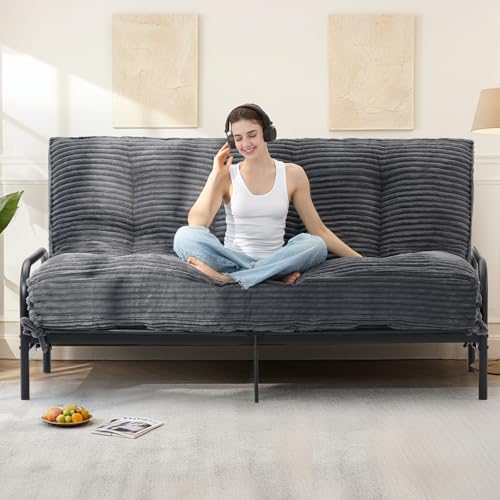
NLDD 10" Futon Mattress Full Size, Ultra Thick Futons Sofa Couch Bed Sleeper Sofa Bed, Versatile Floor Futons Japanese Floor Mattress for Adults, Grey (Frame Not Included)
Check price on AmazonExplore More Sofa Bed Options
If you're still weighing your options, these related guides can help you compare styles and find the perfect fit for your home:
- Minimalist Sofa Bed: Clean Lines, Maximum Calm
- Small Fold-Out Sofa Bed: Compact Comfort for Tight Spaces
- Convertible Loveseat Sofa Bed: Small but Mighty
- Foldable Floor Sofa Bed: The Ultimate Space-Saver
- Sofa Daybed with Trundle: Double the Sleeping Space
- Pull-Down Sofa Bed: Easy Conversion, Timeless Style