
Sofa Bed Coffee Table Symmetry: The Complete Guide to a Balanced Living Room
Discover how to position your sofa bed and coffee table in perfect harmony. Learn spacing rules, proportion principles, and styling techniques that transform any living room into a designer-worthy space.
START EXPLORINGThe Symmetry Advantage: A well-balanced sofa bed and coffee table arrangement does more than look good—it improves conversation flow, maximizes walking space, and makes your convertible living area feel intentionally designed. Whether you own a compact sofa bed or a spacious sectional, understanding symmetry is the key to unlocking your room's full potential.
Why Sofa Bed Coffee Table Symmetry Matters
When you invest in a sofa bed, you're not just buying furniture—you're creating a dual-purpose living space that must function as both a comfortable seating area and a welcoming guest room. The relationship between your sofa bed and coffee table sits at the heart of this balance. Get it right, and your room feels open, inviting, and effortlessly stylish. Get it wrong, and even the most expensive furniture feels awkward and cramped.
Symmetry in interior design isn't about making everything identical on both sides. It's about visual weight distribution—creating a sense of equilibrium that guides the eye and makes the space feel calm and ordered. When applied to your pull-out sofa bed and coffee table arrangement, symmetry ensures that your room works for everyday lounging and overnight guests alike.
The challenge is that sofa beds come in many configurations—from L-shaped sofa beds to compact sofa beds—and each demands a different approach to coffee table placement. This guide will walk you through every scenario, giving you the confidence to arrange your space like a professional designer.
Understanding Proportion: The Golden Rules of Sofa Bed & Coffee Table Sizing
Before you move a single piece of furniture, you need to understand the proportional relationship between your sofa bed and coffee table. This is the foundation upon which all successful symmetry is built.
The 2:3 Ratio Rule
Interior designers often follow a simple guideline: your coffee table should be approximately two-thirds the length of your sofa. For a standard double sofa bed measuring around 70 inches wide, this means a coffee table in the 45–50 inch range. For a small sofa bed or loveseat sofa bed, a 36–42 inch table works best. This ratio creates visual harmony without overwhelming the space.
Height Considerations
The ideal coffee table height sits within 1–2 inches of your sofa bed's seat height. Most sofa beds have a seat height between 17–19 inches, so a coffee table around 16–18 inches tall is generally perfect. This slight difference allows for comfortable reach without creating a visual step-down that disrupts the room's flow.
Depth and Distance
Leave 14–18 inches of space between the edge of your sofa bed and the coffee table. This is the sweet spot: close enough to reach a drink or book, far enough to walk through comfortably. If you have a sectional sofa bed or modular sofa bed, you may need to adjust this distance slightly depending on the chaise configuration.
Pro Tip: Before buying a coffee table, use painter's tape to mark its footprint on your floor. Live with the outline for a few days to test the spacing before committing to a purchase.
Symmetry Layouts for Different Sofa Bed Configurations
1. The Classic Central Alignment (For Standard Sofa Beds)
This is the most traditional approach and works beautifully with convertible sofa beds and folding sofa beds placed against a main wall. Center your coffee table directly in front of the sofa bed, with equal distance on both sides. Anchor the arrangement with matching side tables or floor lamps on either end. This creates a formal, hotel-suite feel that works especially well in guest room layouts.
For small living room layouts, consider using a round or oval coffee table instead of rectangular. The curved edges soften the space and reduce the visual weight of the furniture arrangement, making the room feel more open.
2. The Offset Balance (For L-Shaped and Corner Sofa Beds)
When working with an L-shaped sofa bed or sectional sofa bed, perfect central symmetry isn't always possible—or desirable. Instead, aim for asymmetrical balance. Position the coffee table closer to the main seating area, then compensate with a large plant, floor lamp, or accent chair on the opposite side. This creates a dynamic but balanced composition.
This approach works particularly well in studio apartment layouts where the sofa bed must serve multiple zones. The offset arrangement naturally defines the living area without closing it off from the sleeping area.
3. The Twin Table Strategy (For Oversized and Modular Sofa Beds)
For king-size sofa beds or modular sofa beds, a single coffee table often looks undersized. Instead, use two identical smaller tables placed side by side or at a slight angle. This creates a flexible arrangement that can be separated for entertaining or pushed together for a cleaner look. The twin table strategy is also excellent for sofa beds with storage, as the tables can be moved when you need to access the storage compartment.
4. The Floating Arrangement (For Small Spaces and Studio Apartments)
In very small rooms—think sofa beds for small spaces or mini sofas for bedrooms—anchoring your sofa bed against a wall may not be possible. A floating arrangement, where the sofa bed sits away from the walls with the coffee table in front, creates a defined living zone even in an open-plan space. Ensure at least 30 inches of walking space on all sides of the arrangement to maintain living room traffic flow.
Visual Weight: How Color and Material Affect Perceived Symmetry
True symmetry is about more than just physical placement—it's about how the eye perceives balance. A heavy, dark coffee table on one side of the room and a light, airy one on the other will feel unbalanced even if they're the same size. Here's how to manage visual weight in your sofa bed living room:
Color Strategy: If your sofa bed is a light neutral shade, a slightly darker coffee table can create a pleasing contrast without feeling heavy. Conversely, if you have a black sofa bed or leather sofa bed, choose a coffee table in a similar tonal family or introduce a lighter material like glass or light wood to prevent the room from feeling closed in. Our guide to sofa bed color harmony can help you make these decisions with confidence.
Material Considerations: Glass and acrylic coffee tables visually recede, making them ideal for small spaces or rooms with bold sofa bed palettes. Wood and metal tables have more visual weight and work well in larger rooms or with neutral sofa bed palettes. For a truly balanced look, consider mixing materials—a wood base with a glass top, for example—to get the best of both worlds.
The Role of Texture: Layering textures through a sofa bed textile layering approach can enhance perceived symmetry. A textured rug beneath the coffee table can anchor the arrangement, while throw pillows on the sofa bed can mirror the shape or color of the table for a cohesive look.
Styling Your Symmetrical Sofa Bed & Coffee Table Arrangement
Once your furniture is positioned correctly, the styling details transform a functional arrangement into a beautiful one. Here's how to style your symmetrical setup:
The Rule of Three
When decorating your coffee table, group objects in threes—a stack of books, a vase, and a small sculpture, for example. This creates visual interest without clutter. For symmetrical arrangements, you can either mirror the groupings on both sides of the table (perfect symmetry) or create a single focal point in the center (central symmetry).
Height Variation
Vary the heights of your coffee table decor. A tall vase paired with a low stack of books and a medium-height candle creates a pleasing triangular composition that draws the eye. This technique works especially well when your sofa bed is the room's focal point, as described in our living room focal point design guide.
Functional Symmetry
Remember that your coffee table serves a purpose. Include items you actually use—a coaster set, a remote control holder, a small tray for keys. For sofa beds with storage, a coffee table with its own hidden compartment can double your organizational capacity. This practical approach to symmetry ensures your room looks good and works hard.
Lighting the Symmetrical Space
Lighting plays a crucial role in how symmetry is perceived. A pair of matching table lamps on either side of the sofa bed creates a classic symmetrical frame. Alternatively, a single statement floor lamp positioned to one side can create dramatic asymmetrical balance. For small living rooms, wall-mounted sconces above the sofa bed provide light without taking up valuable table space.
Common Symmetry Mistakes to Avoid
Even experienced homeowners make these mistakes when arranging sofa beds and coffee tables. Here's what to watch out for:
Mistake #1: The Too-Big Table. A coffee table that's wider than two-thirds of your sofa bed's length will dominate the room and make walking around it difficult. If you have a compact sofa bed, resist the urge to buy a large table—instead, opt for a round or oval shape that provides surface area without the bulk.
Mistake #2: Ignoring the Rug. Your coffee table should sit entirely on or entirely off your area rug—never half-on, half-off. This creates visual tension that undermines your symmetry efforts. For a sectional sofa bed, choose a rug large enough to fit under the front legs of the entire sofa and extend at least 6–8 inches beyond the coffee table on all sides.
Mistake #3: Forgetting the Conversion Space. If you have a pull-out sofa bed or fold-out sofa bed, you need clearance space in front of the sofa when the bed is extended. A coffee table that's too close will need to be moved every time a guest sleeps over—and moving heavy furniture repeatedly can damage your floors. Choose a lightweight coffee table or one with casters if your sofa bed converts frequently.
Mistake #4: Over-Symmetry. Perfect symmetry can feel stiff and formal. Unless you're designing a classic living room styling scheme, introduce small asymmetrical elements—a single art piece instead of a pair, a plant on one side but not the other—to keep the room feeling lived-in and welcoming.
Symmetry by Design Style: Finding Your Aesthetic
Different interior design styles call for different approaches to sofa bed coffee table symmetry. Here's how to adapt the principles to your preferred aesthetic:
Contemporary Living Room Styling: In contemporary living room styling, symmetry is often sleek and minimal. Choose a geometric coffee table with clean lines and position it precisely centered. Keep decor minimal—a single sculptural object or a simple tray. The symmetry here is precise and intentional.
Nordic Living Room Styling: For Nordic living room styling, embrace light woods, white walls, and functional simplicity. A round coffee table in pale oak or birch, centered in front of a modern sofa bed, creates the perfect Scandinavian symmetry. Add a sheepskin throw and a simple ceramic vase for warmth.
Eclectic Living Room Styling: Eclectic living room styling thrives on curated asymmetry. Here, you might place a vintage trunk as a coffee table slightly off-center, then balance it with a large floor plant on the opposite side. The symmetry is felt rather than seen—a balance of visual weight rather than identical placement.
Retro Living Room Styling: For retro living room styling, look for a coffee table with tapered legs and a warm wood tone. Position it centrally in front of a futon sofa bed or convertible sofa bed with a bold pattern. The symmetry here should feel nostalgic and cozy, not rigid.
Classic Living Room Styling: Classic living room styling embraces traditional symmetry—matching side tables, paired lamps, and a centrally placed coffee table. For Chesterfield sofa beds or other traditional designs, this formal arrangement is perfect. Use a dark wood coffee table with a polished finish to complete the look.
Adjusting Symmetry for Seasons and Occasions
Your sofa bed coffee table symmetry doesn't have to remain static year-round. Seasonal adjustments keep your living room feeling fresh and relevant. A seasonal sofa bed palette can guide your color choices, while small tweaks to your coffee table styling can dramatically change the room's mood.
In spring and summer, consider a lighter, airier approach—swap heavy throws for light cotton blankets, replace dark candles with fresh flowers, and perhaps even switch to a glass or acrylic coffee table if you have a second option. In autumn and winter, layer in warmth with textured throws, wooden bowls, and amber-colored glassware.
For special occasions—a guest staying over, a holiday gathering—you may need to temporarily adjust your symmetry to accommodate the sofa bed's conversion. Having a plan for where to move the coffee table (and where to store its contents) ensures these transitions are smooth and stress-free. This is especially important for sofa beds with storage, where the storage compartment may need to be accessed during conversion.
Measuring Your Space: A Step-by-Step Planning Guide
Before you buy a coffee table or rearrange your furniture, take these measurements:
Step 1: Measure Your Sofa Bed. Record the overall length, depth, and seat height. If you have a queen-size sofa bed or king-size sofa bed, note the dimensions when both folded and unfolded—you need to know how much floor space the bed occupies when extended.
Step 2: Measure Your Room. Record the room's length and width, then subtract the space needed for walkways. A minimum of 30 inches of walking space is recommended for main traffic paths, and 24 inches for secondary paths. Our living room traffic flow design guide can help you map this out.
Step 3: Identify Your Focal Point. Is it a window, a fireplace, a television, or the sofa bed itself? Your coffee table symmetry should support this focal point. For more on this, see our living room focal point design article.
Step 4: Mark the Footprint. Use painter's tape to mark where you plan to place the coffee table. Live with the tape outline for a few days, walking around it, reaching over it, and imagining it in place. Adjust as needed before making a purchase.
Recommended Sofa Bed Coffee Table Symmetry Essentials
⚠️ AFFILIATE DISCLOSURE: This website contains affiliate links. As an Amazon Associate, we earn from qualifying purchases. If you make a purchase through these links, we may receive a small commission at no additional cost to you. Read our full affiliate policy.

GOYLSER C Shaped End Table for Couch, Height Adjustable Living Room Rotating Couch Tray Tables Sofa Table Tv Trays for Bedroom, Swivel Wooden Side Table for Small Space, Grey
Check price on Amazon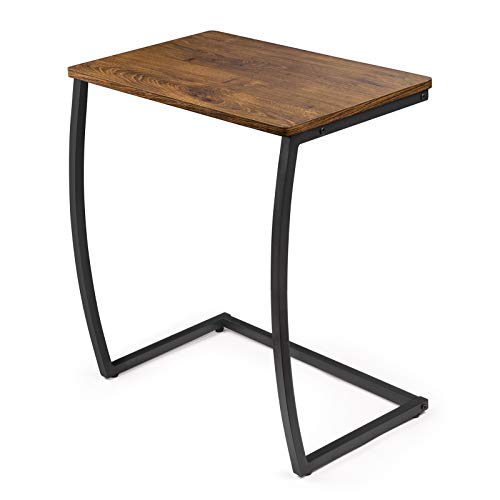
SRIWATANA Walnut C Shaped Side Table, Vintage End Table for Sofa Couch Bed | Space-Saving C-Table Slides Under Sofa, Sturdy Wood & Metal Frame with Adjustable Feet for Laptop, Coffee, and Snack Use
Check price on Amazon
Yusong C Shaped End Table - Slide Under Sofa Couch Bed, Small Table for Small Spaces, Skinny Overbed, Coffee Drink Snack Table for Living Room, Rustic Brown
Check price on Amazon
Katrawu C Shaped End Table,Oval Couch Sofa Side Table for Bed Slide Under Couch, Wood Small Round Snack Table with Metal Frame, TV Tray Table for Small Space, Living Room,Easy Assembly(Brown)
Check price on Amazon
RISWER C-Shaped Side Table for Couch - Small Coffee Stand Sofa Tray Desk with Metal Frame Waterproof Scratch Resistant Wood Top and Built-in Charging Station, Rustic Brown
Check price on Amazon
Tribesigns C-Shaped End Table for Couch, Sofa Side Table, C Table for Small Space, Living Room, Bedroom (2, Brown)
Check price on Amazon
16 inch Black Metal Heavy Duty Legs for Bench & Coffee Table 128 Curva | DIY Sofa Side Tables, End Tables for Living Room, Modern Furniture Decor, Bed-end Benches, Easy to assemble
Check price on Amazon
xamksalo Folding TV Tray Tables Set of 2, Sturdy Wooden Side Tables for Living Room Couch, Foldable Dark Brown Coffee Tables, Ideal for Small Spaces
Check price on AmazonConclusion: Achieving Perfect Symmetry in Your Living Room
Mastering sofa bed coffee table symmetry is about understanding your space, your furniture, and your lifestyle. The principles in this guide—proportion, visual weight, appropriate spacing, and thoughtful styling—will help you create a living room that feels balanced, functional, and beautiful.
Remember that symmetry isn't about perfection—it's about creating a sense of order that makes your room feel calm and intentional. Whether you have a small sofa bed in a studio apartment or a grand sectional sofa bed in a family living room, the right coffee table placement can transform the entire space.
For more inspiration on styling your sofa bed and living room, explore our sofa bed vignette ideas, learn about sofa bed art placement, and discover how living room scent styling can enhance your room's atmosphere. With the right combination of symmetry, proportion, and personal style, your sofa bed living room will become the heart of your home.