
Sofa Bed Leg Restoration: A Complete Repair & Refinish Guide
Bring your sofa bed back to life. Learn how to repair scratches, refinish wood, tighten loose joints, and replace damaged legs for a sturdy, beautiful finish.
START RESTORINGWhy Restore Your Sofa Bed Legs? The legs are the foundation of your sofa bed. They bear the weight, provide stability, and contribute significantly to the overall aesthetic. Over time, legs can become scratched, wobbly, or even break. Professional restoration can be costly, but with the right approach, you can achieve excellent results at home. Whether you have a mid-century piece with tapered legs or a rustic model with thick wooden feet, this guide will walk you through every step of the restoration process.
1. Assessing the Damage: What Needs Fixing?
Before you begin any restoration work, a thorough assessment is crucial. Not all leg issues are the same. Start by examining each leg for the following common problems:
- Loose Joints: The leg may wobble where it attaches to the sofa frame. This is often due to stripped screws, worn threads, or a cracked mounting plate.
- Surface Scratches & Dents: Cosmetic damage from moving or everyday use. These are common on wooden legs and can often be sanded out.
- Fading or Discoloration: Sunlight, moisture, and cleaning products can cause the finish to fade or become uneven.
- Cracks or Splits: Structural damage in the wood itself, which compromises strength and safety.
- Broken or Missing Feet: The leg may be completely broken off or the protective foot pad (glide) may be missing.
Understanding the type of leg you have is also key. Different materials require different techniques. For a deeper dive into the various styles available, from tapered to turned legs, refer to our dedicated guide. If your legs are metal, the approach will differ from wood. You can find relevant information in our guide to metal frame sofa beds.
2. Essential Tools & Materials for Restoration
Having the right tools on hand makes the job easier and more professional. Here’s a checklist of what you’ll likely need:
Tools
- Screwdriver (Phillips & Flathead)
- Sandpaper (various grits: 120, 220, 400)
- Wood filler or epoxy putty
- Clamps (woodworking clamps)
- Paintbrush or lint-free cloth
- Steel wool (0000 grade)
Materials
- Wood stain or paint (matching color)
- Clear polyurethane or lacquer
- Wood glue (PVA or epoxy)
- Replacement screws or bolts
- Felt pads or rubber glides
- Steel wool or fine abrasive pads
If your sofa bed is still under warranty, check the terms before you begin. For more information, see our guide on warranty information.
3. Step-by-Step Sofa Bed Leg Restoration
Follow these steps in order for the best results. Always work in a well-ventilated area and protect your floors with a drop cloth.
Step 1: Remove the Legs
Carefully unscrew or unbolt each leg from the sofa bed frame. If the screws are stripped, you may need to use a screw extractor. Keep all hardware in a labeled bag so you don't lose anything. For help with identifying different screw types, see our guide to sofa bed screw types.
Step 2: Clean and Inspect
Wipe down each leg with a damp cloth to remove dirt and grime. Once dry, inspect for cracks, deep gouges, or structural weakness. If a leg is severely cracked or broken, it may be best to replace it. You can find replacement legs at hardware stores or online. For a full replacement, consider upgrading to more durable solid wood legs.
Step 3: Repair Structural Damage
For minor cracks, use a high-quality wood glue. Apply glue into the crack and clamp it tightly. Wipe away excess glue immediately. For larger gaps, use epoxy putty, which can be sanded and painted once cured. If the mounting plate is stripped, you may need to fill the hole with a wooden dowel and wood glue, then re-drill a pilot hole for a slightly larger screw.
Step 4: Sanding and Surface Preparation
For cosmetic restoration, sanding is key. Start with a medium-grit sandpaper (120) to remove old finish and smooth out scratches. Progress to finer grits (220, then 400) for a smooth, polished surface. Always sand with the grain of the wood. If you're working on a minimalist piece with a simple finish, this step is particularly important for a clean look. For painted legs, you can often just sand lightly to create a "key" for the new paint to adhere to.
Step 5: Staining or Painting
If you want to change the color or refresh the look, now is the time to stain or paint. Apply a wood stain with a brush or cloth, following the manufacturer's directions. For a more dramatic change, consider a bold paint color. Our guide on sofa bed color harmony can help you choose the perfect shade. Allow adequate drying time between coats.
Step 6: Applying a Protective Finish
To protect your newly restored legs and ensure they last, apply a clear finish. A polyurethane or lacquer will provide a durable, water-resistant coating. Apply thin, even coats, lightly sanding with steel wool between coats for a smooth finish. This step is especially important for leather sofa beds, where a cohesive, polished look is desired.
Step 7: Reattaching and Securing the Legs
Once the finish is completely dry, reattach the legs to the sofa bed frame. Use new, high-quality screws or bolts if the old ones show any signs of wear. Tighten them securely, but be careful not to overtighten and strip the wood. To prevent future loosening, consider adding a small amount of thread-locking compound to the screw threads. For extra stability, you can also add anti-tip straps to secure the sofa bed to the wall.
Step 8: Adding Protective Feet
Finally, add protective glides or felt pads to the bottom of each leg. This will prevent scratches on your floors and make it easier to move the sofa bed. Our guide on sofa bed felt pads provides detailed recommendations. Also, ensure the sofa bed is level to prevent wobbling, using our sofa bed leveling guide for tips.
4. When to Restore vs. When to Replace
Restoration is a great option for most cosmetic and minor structural issues. However, replacement is sometimes the better choice. Consider replacing the legs if:
- The leg is completely broken or splintered beyond repair.
- The mounting point on the sofa frame is severely damaged.
- You want to change the style entirely (e.g., from industrial metal to mid-century wood).
- The cost of professional restoration is higher than buying new legs.
If you decide to replace, you can often find new legs at furniture repair shops or online retailers. For a complete overhaul, you might also consider a full sofa bed reupholstery project.
5. Maintaining Your Restored Legs
After all your hard work, proper maintenance will keep your sofa bed legs looking great for years. Here are a few tips:
- Dust Regularly: Use a soft cloth to dust legs weekly. This prevents dirt from building up and scratching the finish. See our guide on sofa bed dust prevention.
- Clean Spills Immediately: Wipe up any liquid spills on the legs right away to prevent water damage. Our article on liquid spill cleanup has more details.
- Avoid Harsh Chemicals: Use mild, wood-safe cleaners. Harsh chemicals can strip the finish. For general cleaning, refer to our sofa bed upholstery cleaning guide.
- Check Tightness: Periodically check that the legs are still tight. A loose leg can cause damage to the frame. If you notice wobbling, tighten the screws. For more complex issues, see our guide on sofa bed mechanism repair.
- Use Protective Pads: Ensure the felt pads or glides are in good condition and replace them as needed. This protects both your floors and your legs.
By following these maintenance tips, you'll ensure that your restored sofa bed legs remain a beautiful and functional part of your living space. For more long-term care advice, explore our sofa bed care and maintenance hub.
Recommended Tools & Products for Sofa Bed Leg Restoration
⚠️ AFFILIATE DISCLOSURE: This website contains affiliate links. As an Amazon Associate, we earn from qualifying purchases. If you make a purchase through these links, we may receive a small commission at no additional cost to you. Read our full affiliate policy.

La Vane 6 inch Solid Wood Pyramid Furniture Legs ,Mid-Century Modern,4PCS | Wide Base,1100lbs Capacity,Walnut Finish,Pre-Drilled 5/16'' Bolt + Hardware incl..for Sofa Bed Restore & Upgrade Furniture
Check price on Amazon
Btowin 10 inch Solid Wood Pyramid Furniture Legs 4PCS Mid-Century Modern | Extra Wide Base Supports up to 600lbs Walnut Finish 5/16" bolts + plates inclu. for Sofa Bed Restore & Elevate Furniture
Check price on Amazon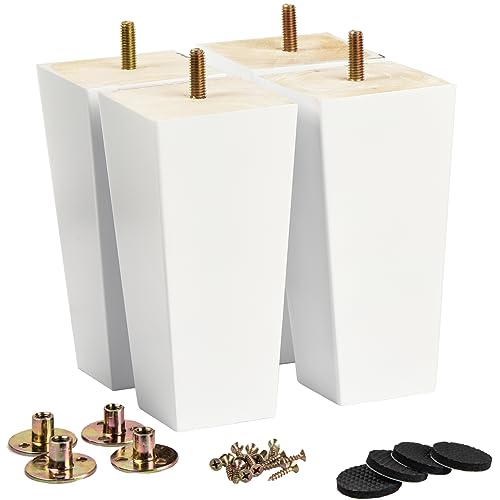
La Vane 6 inch Solid Wood Pyramid Furniture Legs ,Mid-Century Modern,4PCS | Wide Base,1100lbs Capacity,White Finish,Pre-Drilled 5/16'' Bolt + Hardware incl..for Sofa Bed Restore & Upgrade Furniture
Check price on Amazon
La Vane 8 inch Solid Wood Pyramid Furniture Legs ,Mid-Century Modern,4PCS | Wide Base,1100lbs Capacity,White Finish,Pre-Drilled 5/16'' Bolt + Hardware incl..for Sofa Bed Restore & Upgrade Furniture
Check price on Amazon
Btowin 3 inch Solid Wood Pyramid Furniture Legs 4PCS Mid-Century Modern | Extra Wide Base Supports up to 600lbs Walnut Finish 5/16" bolts + plates inclu. for Sofa Bed Restore & Elevate Furniture
Check price on Amazon
La Vane 4 inch Solid Wood Pyramid Furniture Legs ,Mid-Century Modern,4PCS | Wide Base,1100lbs Capacity,Black Finish,Pre-Drilled 5/16'' Bolt + Hardware incl..for Sofa Bed Restore & Upgrade Furniture
Check price on Amazon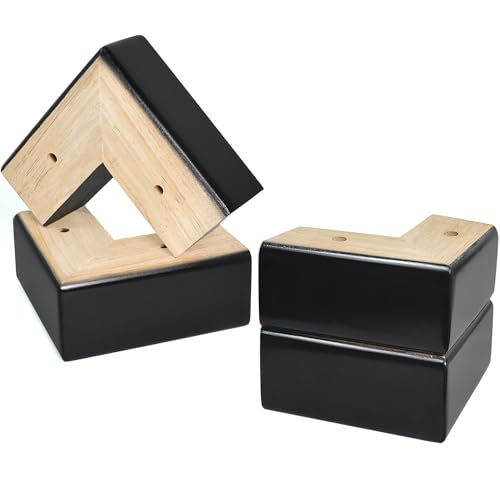
AORYVIC Solid Wood Legs for Furniture, L-Shaped Bed Risers, Furniture Legs for Sofa Couch Dresser Cabinet Table, Couch Sofa Feet, Furniture Risers, Bed Lifters 4 Pack (Black, 2 inch)
Check price on AmazonFrequently Asked Questions
How do I fix a wobbly sofa bed leg?
First, try tightening the screws or bolts. If the hole is stripped, fill it with a wooden dowel and wood glue, then re-drill a pilot hole. For persistent wobbles, consider replacing the mounting hardware. See our mechanism repair guide for more.
Can I restore metal legs?
Yes. Metal legs can be sanded to remove rust, then repainted with a metal-specific paint. For a polished look, you can use metal polish. Our guide to metal frame sofa beds has more details.
What is the best finish for wooden sofa bed legs?
A clear polyurethane or lacquer provides a durable, water-resistant finish. For a more natural look, a simple oil or wax finish works well. Always test on a small area first.