
Leather Conditioning Guide: Protect & Restore Your Sofa Bed
Master the art of leather care with our complete conditioning guide. Learn how to clean, hydrate, and protect your leather sofa bed to prevent cracking, fading, and premature aging.
Learn the ProcessWhy Leather Conditioning Matters: Leather is skin—it needs moisture to stay supple. Without regular conditioning, leather sofa beds dry out, crack, and lose their luxurious feel. This guide walks you through professional-grade conditioning techniques you can do at home.
Why Your Leather Sofa Bed Needs Conditioning
Leather is a natural material that responds to its environment. Heat, sunlight, dry air, and daily use all strip away the natural oils that keep leather soft and resilient. A leather sofa bed represents a significant investment, and proper conditioning is the single most important maintenance task to protect that investment.
Unlike fabric upholstery that can be steam-cleaned or machine-washed, leather requires specialized care. Conditioning replenishes lost oils, restores flexibility, and creates a protective barrier against spills, stains, and UV damage. Whether your sofa bed is a pull-out model or a sectional sleeper, the leather surfaces face the same aging risks.
For a complete overview of leather sofa bed construction, materials, and buying considerations, explore our upholstery and frame hub.
When Should You Condition Leather?
Timing is everything with leather care. Conditioning too often can clog pores and attract dirt; conditioning too rarely allows permanent damage to set in. Here are the key indicators that your leather sofa bed needs conditioning:
- Seasonal Changes: Condition at the start of winter and summer, when indoor heating and air conditioning are most active.
- Visible Dryness: Look for dull patches, light-colored areas, or a rough texture that has lost its soft touch.
- After Cleaning: Always condition after deep cleaning to replace oils stripped by cleaning agents.
- Every 6–12 Months: For normal use, two conditioning sessions per year is ideal. High-use sofa beds may need quarterly care.
If your leather is showing significant wear, you may also want to review our stain removal guide and fabric touch-up techniques before conditioning.
Essential Supplies for Leather Conditioning
Before you begin, gather the right tools. Using the wrong products can damage leather permanently. Here is what you need:
Leather Cleaner
A pH-balanced leather cleaner removes dirt without stripping natural oils. Avoid household soaps and detergents.
Leather Conditioner
Choose a conditioner formulated for your leather type (aniline, semi-aniline, or protected). Cream or lotion formulas are easiest to apply evenly.
Microfiber Cloths
Use at least three: one for cleaning, one for conditioning, and one for buffing. Microfiber is gentle and lint-free.
Soft Brush
A soft-bristled brush helps clean crevices and seams without scratching the leather surface.
Protective Gloves
Keep your hands clean and protect your skin from conditioners and cleaners.
Test Area
Always test products on an inconspicuous area first to check for discoloration or adverse reactions.
Step-by-Step Leather Conditioning Process
Follow these steps carefully for best results. Rushing the process or skipping steps can lead to uneven conditioning or damage.
Prepare Your Workspace
Vacuum your sofa bed thoroughly using a brush attachment to remove loose dust and debris. Pay special attention to seams, tufting, and crevices where crumbs accumulate. If your sofa bed has a fold-out mechanism, extend it fully so you can access all leather surfaces.
Clean the Leather First
Apply a small amount of leather cleaner to a microfiber cloth—never directly onto the leather. Work in small sections, using gentle circular motions. For stubborn dirt, use a soft brush. Wipe away residue with a clean, damp cloth. Allow the leather to dry naturally for 15–30 minutes. Avoid direct heat or sunlight during drying.
Apply Conditioner
Pour a small amount of conditioner onto a clean microfiber cloth. Rub it into the leather using circular motions, working in small sections. Use light pressure—you want to massage the conditioner into the pores, not scrub the surface. Pay extra attention to high-wear areas like armrests, seat cushions, and the backrest.
Allow Absorption
Let the conditioner absorb for 10–15 minutes. If the leather still feels dry, apply a second thin layer. Excess conditioner that sits on the surface should be buffed away—leather should feel soft and supple, not greasy.
Buff to a Soft Finish
Use a clean, dry microfiber cloth to gently buff the entire surface. This removes excess product and brings out the natural sheen of the leather. For a more matte finish, buff longer; for a subtle glow, buff lightly.
Final Inspection
Check for any missed spots or uneven areas. Ensure all conditioner is absorbed and no residue remains. Your leather should feel noticeably softer and look revitalized.
Recommended Leather Conditioning Products
⚠️ AFFILIATE DISCLOSURE: This website contains affiliate links. As an affiliate Associate, we earn from qualifying purchases. If you make a purchase through these links, we may receive a small commission at no additional cost to you. Read our full affiliate policy.

Essentials of Strength Training and Conditioning
Check price on Amazon
NSCA's Essentials of Tactical Strength and Conditioning
Check price on Amazon
The Complete Guide to Strength and Conditioning Training
Check price on Amazon
Old Leather, New Life: Clean, Condition, Repair and Restore Leather Bags, Belts, Wallets and Jackets at Home
Check price on Amazon
Tandy Leather Beginner Leather Craft Tools Guide Book - Master Tool Use, Maintenance, and Sharpening with Step-by-Step Illustrations and Techniques
Check price on Amazon
Essentials of Strength Training and Conditioning
Check price on Amazon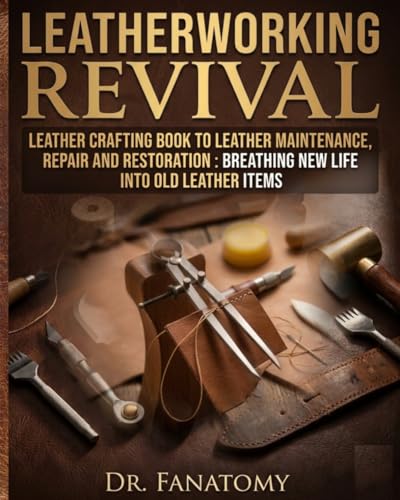
Leatherworking Revival : Leather Crafting Book to Leather Maintenance, Repair and Restoration: Breathing New Life into Old Leather Item
Check price on Amazon
Wilmington's Guide to the Bible
Check price on AmazonConditioning Different Types of Leather
Not all leather is created equal. The conditioning approach varies depending on the finish and type of leather on your sofa bed:
Aniline Leather
This is the most natural, unprocessed leather. It absorbs conditioner quickly and may darken temporarily. Use a gentle, colorless conditioner and apply sparingly. Aniline leather is found on high-end luxury sofa beds.
Semi-Aniline Leather
With a light protective coating, semi-aniline leather is more forgiving. Standard leather conditioners work well. It resists stains better than pure aniline but still benefits from regular conditioning.
Protected / Pigmented Leather
The most common type on mid-range sofa beds. The surface coating makes it durable and easy to clean. Use conditioners designed for protected leather, which often include UV inhibitors.
Bonded Leather
Bonded leather is a manufactured material with a polyurethane coating. It does not absorb conditioner the same way real leather does. Use a conditioner specifically labeled for bonded leather, or a mild vinyl conditioner. Be gentle—over-conditioning can cause peeling.
Common Leather Conditioning Mistakes to Avoid
Even well-intentioned care can go wrong. Avoid these common errors to keep your leather sofa bed in top condition:
- Using Too Much Product: Excess conditioner clogs pores and attracts dust. Less is more—apply thin layers.
- Skipping Cleaning: Conditioning over dirt traps grime in the leather. Always clean first.
- Using the Wrong Products: Household cleaners, baby wipes, and alcohol-based products damage leather. Use only leather-specific products.
- Conditioning in Direct Sunlight: Heat causes uneven absorption and can bake the product into the surface.
- Ignoring Small Areas: Seams, piping, and corners are often neglected but are prone to cracking. Pay attention to every surface.
- Over-Conditioning: More than four times a year is usually unnecessary and can make leather overly soft or sticky.
For related care topics, see our guides on moisture protection and sun fade protection.
Long-Term Leather Care Strategy
Conditioning is just one part of a complete leather care routine. To maximize the lifespan of your leather sofa bed, integrate these practices:
Daily Habits
Dust weekly with a dry microfiber cloth. Keep leather out of direct sunlight and away from heat sources. Use smart placement to avoid harsh light.
Monthly Checks
Inspect seams and high-wear areas for early signs of cracking. Address small issues before they become major problems.
Seasonal Care
Deep clean and condition twice yearly. At the same time, check mechanism function and hinge condition.
Protection
Consider a leather protector spray for added defense against stains. Reapply according to product instructions.
For sofa beds that see heavy use, such as those in guest rooms, consider pairing leather conditioning with a fabric protector guide approach for any fabric components.
Troubleshooting Common Leather Issues
Even with regular care, issues can arise. Here is how to address them:
Cracking and Peeling
Once leather cracks, it cannot be fully restored, but conditioning can slow progression. For severe damage, consult a professional. Prevent cracking with consistent conditioning.
Sticky Residue
This usually indicates over-conditioning or using the wrong product. Clean with a leather cleaner and buff thoroughly. See our sticky residue removal guide for detailed steps.
Fading and Discoloration
UV exposure causes fading. Use sun fade protection strategies and condition regularly to maintain even tone.
Odors
Leather can absorb odors. Our odor neutralizing guide explains how to safely eliminate smells without damaging leather.
Spills and Stains
Act quickly. Blot liquids immediately and follow our liquid spill cleanup guide. For tougher stains, see stain removal.
Protect Your Investment with Regular Conditioning
Your leather sofa bed is more than furniture—it is a centerpiece of your living space and a comfortable retreat for guests. Regular conditioning is the simplest, most effective way to preserve its beauty and functionality for years to come.
By following this guide, you can confidently clean, condition, and protect your leather upholstery. Remember to clean before conditioning, use leather-specific products, and be consistent with your routine.
For more comprehensive care strategies, explore our care and maintenance hub. If you are still researching leather sofa beds, our leather sofa bed guide covers everything from buying to long-term care.
Ready to shop? Browse our shopping and reviews hub for curated recommendations, or check our deals guide to find the best value on quality leather sofa beds.