
Sofa Bed Dust Prevention: The Complete Guide to a Cleaner, Healthier Home
Discover why dust accumulates in your sleeper sofa and learn proven strategies to prevent it. From protective covers to air quality control, we cover everything you need to know.
START LEARNINGWhy Dust Prevention Matters: Your sofa bed is a magnet for dust, allergens, and dust mites. Unlike regular sofas, convertible designs have hidden cavities and folded mechanisms that trap particles. This guide will show you how to protect your investment and create a healthier living environment for you and your family.
Understanding Dust in Sofa Beds
Dust is an inevitable part of any home, but your sofa bed presents unique challenges. The very features that make convertible sofas convenient — folding mechanisms, storage compartments, and layered cushions — also create perfect hiding spots for dust particles. Over time, this accumulation can affect air quality, trigger allergies, and even impact the mechanical function of your furniture.
Unlike a standard sofa that you simply vacuum, a sofa bed requires a more strategic approach. The fabric upholstery you choose plays a significant role in how much dust your furniture attracts and retains. For instance, learning about linen sofa bed upholstery can help you understand why some fabrics are more dust-prone than others, while microfiber options tend to repel dust more effectively.
The good news is that with the right knowledge and routine, you can dramatically reduce dust accumulation. Whether you own a pull-out sofa bed, a fold-flat design, or a sectional sleeper sofa, the principles of dust prevention remain consistent. Let's explore the complete strategy.
Why Sofa Beds Are Dust Magnets
1. Hidden Cavities and Mechanisms
Sofa beds contain internal mechanisms — hinges, springs, and folding frames — that create enclosed spaces. These areas are difficult to reach with regular cleaning tools, allowing dust to accumulate undisturbed for months. If you're unfamiliar with these components, our sofa bed mechanism comparison guide explains how different systems work and where dust tends to collect.
2. Fabric Texture and Pile
The type of upholstery dramatically affects dust retention. Textured fabrics like textured loop sofa beds trap more particles than smooth materials. Similarly, velvet upholstery has a deep pile that catches dust and requires more frequent maintenance. Understanding your fabric type is the first step toward effective prevention.
3. Cushion Construction
The fill material inside your cushions also matters. Down-filled cushions can release natural fibers that mix with dust, while high-density foam cushions are generally more dust-resistant but can still accumulate surface particles. The type of spring cushion system you have may also create crevices where dust settles.
4. Static Electricity
Synthetic fabrics and dry environments create static electricity, which actively attracts dust particles. This is particularly common in homes with microfiber upholstery during winter months when indoor humidity drops.
Health Implications of Sofa Bed Dust
Dust isn't just an aesthetic concern — it's a health issue. Sofa bed dust often contains:
- Dust mites: Microscopic organisms that feed on dead skin cells and thrive in fabric
- Pollen: Outdoor particles that enter through windows and settle on upholstery
- Pet dander: If you have pets, their shedding contributes significantly to sofa dust
- Mold spores: Particularly problematic in humid environments or if your sofa bed has experienced moisture exposure
- Volatile organic compounds (VOCs): Released from synthetic materials over time
For allergy sufferers, these particles can trigger sneezing, coughing, itchy eyes, and even asthma attacks. Regular sofa bed upholstery cleaning combined with prevention strategies is essential for maintaining healthy indoor air quality.
Recommended Products for Sofa Bed Dust Prevention
⚠️ AFFILIATE DISCLOSURE: This website contains affiliate links. As an affiliate Associate, we earn from qualifying purchases. If you make a purchase through these links, we may receive a small commission at no additional cost to you. Read our full affiliate policy.

Utopia Bedding Mattress Protector Zippered Sleeper Sofa Queen Size, 100% Waterproof Bed Bug and Dust Mite Proof Mattress Encasement, Absorbent 6 Sided Mattress Cover
Check price on Amazon
Buoydas Under Couch Blocker for Kids and Pet Toys, 3" H x 132" L-1 Pc | Toy & Gap Blocker, For Sofa, Bed & Furniture, Prevents Toys, Small Items & Dust from Sliding Underneath
Check price on Amazon
KeMioYuXin Plastic Bed Cover - Waterproof Furniture Sofa Couch Protector from Cat Full Extra Large King Queen Bed Storage Dust Cover for Moving
Check price on Amazon
Allersoft| Queen Sleeper Sofa Mattress Cover with Secure Locking Zipper. Creates a Natural Seal On All Sides of Your Pull-Out Sofa Mattress from Liquids, Dust, Pet Dander, Pollen-60x72 (Fits 4-7 Deep)
Check price on Amazon
OULIGET Disposable Furniture Dust Covers with Elastic,Extra Large Sofa Couch Cover, Clear Moving Storage Bag for Bed Sofa Dining Table TV Cabinet,17 x 7.8 Ft,2 Pieces
Check price on Amazon
Under Couch Blocker for Kids and Pet Toys, 3" H x 132" L-1 Pc | Adjustable Elastic Gap Guard with Hook & Loop, Prevents Toys, Small Items Sliding Under Sofa Bed Furniture, Easy Install
Check price on Amazon
QIYIHOME Under Bed Blocker for Pets, Gap Bumper for Under Bed, Stop Things Going Under Bed or Sofa Couch, Toys Blocker for Cats Dogs, Easy to Install, Total 7" Height 90" Length, Black
Check price on Amazon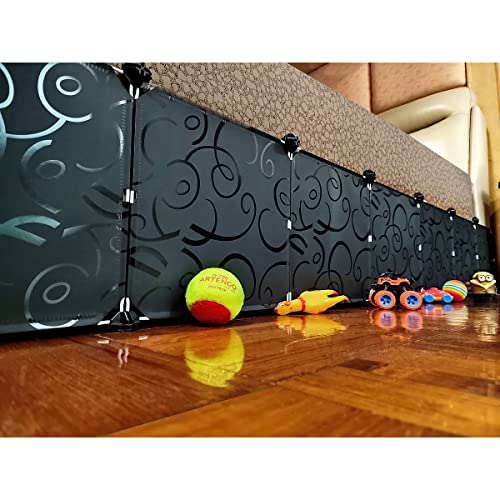
QIYIHOME Toy Blocker, Extra Tall Size Gap Bumper for Under Bed, Stop Pets Toys Going Under Bed or Sofa Couch, Easy to Install, 11.8" Height 83" Length,Black
Check price on AmazonProven Dust Prevention Strategies
1. Invest in Protective Covers
The single most effective dust prevention method is using protective covers. A quality sofa bed cover creates a barrier between your upholstery and airborne particles. Look for covers specifically designed for your sofa type — whether you have a corner sofa bed, an L-shaped model, or a compact design.
For maximum protection, consider covers that are machine washable and hypoallergenic. If you have a sofa bed with storage, ensure the cover accommodates the storage compartment without restricting access.
2. Establish a Regular Cleaning Routine
Consistency is key. Here's a recommended schedule:
- Weekly: Vacuum all fabric surfaces using a brush attachment. Pay special attention to crevices and folds.
- Monthly: Remove cushions and vacuum underneath. If you have a fold-out sofa bed, open it fully and clean the internal mechanism area.
- Quarterly: Deep clean upholstery using appropriate methods for your fabric type. For leather sofa beds, use leather-specific conditioning products.
- Annually: Consider professional cleaning, especially for large sofa beds that are difficult to maintain thoroughly.
If you're dealing with existing dust-related odors, our odor neutralizing guide provides additional solutions. For sticky residue that traps dust, see our residue removal techniques.
3. Control Indoor Air Quality
The air in your home directly impacts dust accumulation on your furniture. Consider these air quality improvements:
- Air purifiers: HEPA filters capture 99.97% of particles as small as 0.3 microns
- Humidity control: Maintain indoor humidity between 30-50% to discourage dust mites and mold
- Regular HVAC maintenance: Change filters monthly during peak allergy seasons
- Ventilation: Open windows briefly each day to circulate fresh air
Pairing good air quality with proper ambient lighting that doesn't generate excessive heat can also help maintain a comfortable, dust-free environment.
4. Optimize Your Living Room Layout
Strategic furniture placement reduces dust accumulation. Following a thoughtful sofa bed placement guide helps you position your furniture away from high-traffic areas and dust sources like windows and doors. Additionally, proper rug placement can trap dust before it reaches your sofa.
5. Use the Right Cleaning Tools
Not all cleaning tools are equal when it comes to dust prevention:
- Microfiber cloths: Trap dust rather than spreading it
- HEPA vacuum filters: Prevent dust from being redistributed into the air
- Soft-bristle brushes: Gentle enough for delicate fabrics like velvet while still effective
- Compressed air: Ideal for reaching internal mechanisms in pull-out models
6. Address the Frame and Base
Dust doesn't just accumulate on fabric — it also settles on frames and bases. The type of frame you have affects maintenance requirements. Solid wood frames are generally easier to wipe clean, while rattan sofa beds require special care due to their woven texture. For comprehensive protection, consider applying a sofa bed frame sealant to create a dust-repellent barrier.
7. Don't Neglect the Legs and Undercarriage
The space beneath your sofa bed is a prime dust collection zone. The style of legs you have impacts how much dust accumulates and how easily you can clean. Our sofa bed leg styles guide explains which designs are easiest to maintain. Adding felt pads under legs not only protects your floors but also reduces dust-stirring movement when the sofa is used.
Seasonal Dust Prevention Tips
Dust accumulation varies by season. Here's how to adapt your routine:
Spring
Pollen season means increased airborne particles. Keep windows closed during high-pollen days and increase vacuuming frequency. This is also an ideal time for a thorough cushion refresh after winter use.
Summer
Higher humidity can promote dust mite proliferation. Ensure proper ventilation and consider using a dehumidifier. If your sofa bed has been exposed to direct sunlight, check for fabric degradation that can release fibers into the air.
Fall
As you prepare for indoor gatherings, deep clean your sofa bed thoroughly. If you're planning to reupholster or refinish your furniture, fall is an excellent time before holiday season.
Winter
Dry indoor air increases static electricity, attracting more dust. Use a humidifier to maintain optimal humidity levels. For leather sofa beds, winter is the ideal time for leather conditioning to prevent cracking that can harbor dust.
Long-Term Dust Protection Strategies
Fabric Protectors
Applying a quality fabric protector creates an invisible barrier that repels dust, liquids, and stains. Our fabric protector guide explains how to choose and apply these products correctly for maximum benefit.
Hardware Maintenance
Dusty mechanisms not only attract more dust but also function less smoothly. Regular maintenance of hinges and springs keeps your sofa bed operating properly and reduces dust-trapping friction points. If you notice wear, consider a hardware upgrade to modern, dust-resistant components.
Professional Restoration
For older sofa beds with significant dust accumulation, professional restoration may be the best option. Whether you're considering vintage sofa bed restoration or simply want to refresh a well-used piece, addressing dust at a deep level ensures long-term cleanliness.
Common Dust Prevention Mistakes to Avoid
- Using feather dusters: These simply redistribute dust into the air rather than removing it
- Ignoring the underside: The bottom of your sofa bed collects as much dust as the top
- Over-wetting fabric: Excess moisture can lead to mold growth, creating a worse problem than dust
- Skipping the mechanism: Internal components need cleaning too, especially in fold-flat designs
- Using harsh chemicals: These can damage upholstery and create particles that attract more dust
- Neglecting air quality: No amount of surface cleaning helps if your indoor air is full of particles
Essential Products for Dust Prevention
Protective Covers
Choose covers made from tightly woven fabrics that block particles while remaining breathable. For sofa beds with USB ports, ensure covers have appropriate cutouts for functionality.
Cleaning Tools
Invest in quality tools: HEPA vacuum, microfiber cloths, soft brushes, and compressed air canisters. For hard-to-reach areas in sectional sleeper sofas, extendable dusters are invaluable.
Air Quality Devices
Air purifiers with HEPA filters and humidity monitors help maintain an environment where dust is minimized. These are particularly important for memory foam sofa beds, which can off-gas and attract particles.
Storage Organization
If your sofa bed has storage, keeping it organized with storage dividers and organizer inserts reduces dust accumulation. For sofa beds with built-in storage, regular cleaning of these compartments prevents dust from migrating to upholstery.
Choosing a Dust-Resistant Sofa Bed
If you're in the market for a new sofa bed and dust prevention is a priority, consider these factors:
Fabric Selection
Smooth, tightly woven fabrics like microfiber and leather are naturally more dust-resistant than textured options. If you prefer fabric, linen treated with a dust-repellent finish is a good compromise.
Mechanism Design
Some mechanisms are easier to clean than others. Our mechanism comparison can help you choose a design that minimizes dust-trapping crevices. Pull-out designs typically have fewer hidden areas than fold-flat models.
Frame Construction
Metal frames are easiest to clean and don't harbor dust like engineered wood can. If you prefer wood, solid wood construction with a sealed finish is your best bet.
Cushion Fill
High-density foam and gel-infused cushions resist dust better than down alternatives. For allergy sufferers, latex cushions are naturally hypoallergenic.
Budget-Friendly Dust Prevention
Dust prevention doesn't require expensive equipment. Here's how to protect your sofa bed at different price points:
- Under $50: Basic vacuum attachments, microfiber cloths, and a simple fabric spray
- $50–$150: Quality protective cover, HEPA vacuum filter, and a small air purifier for the room
- $150–$400: Full-size HEPA air purifier, professional-grade fabric protector, and a complete cleaning kit
- $400+: Whole-room air purification system, professional cleaning service, and premium protective covers
For those shopping for a new sofa bed with dust resistance in mind, our affordable picks and mid-range options include models with easy-clean features. If you're considering a secondhand sofa bed, inspect it thoroughly for dust accumulation before purchasing.
Your Complete Dust Prevention Schedule
Print this schedule and keep it handy:
Daily
- Quick sweep of visible surfaces with a microfiber cloth
- Ensure windows are closed during high-pollen periods
Weekly
- Vacuum all fabric surfaces with brush attachment
- Wipe down frame and legs
- Check and empty vacuum canister/filter
Monthly
- Remove and vacuum under cushions
- Open sofa bed fully and clean mechanism area
- Wash or replace protective covers if applicable
Quarterly
- Deep clean upholstery according to fabric type
- Inspect and clean air purifier filters
- Check for wear on hinges and springs
Annually
- Professional cleaning or thorough DIY deep clean
- Reapply fabric protector if needed
- Consider cushion refresh or replacement
- Evaluate whether reupholstery is necessary
Conclusion: Breathe Easier with Proper Dust Prevention
Sofa bed dust prevention isn't complicated, but it does require consistency. By understanding why dust accumulates, implementing protective measures, and maintaining a regular cleaning schedule, you can keep your sofa bed fresh, healthy, and functional for years to come.
Remember that prevention is always easier than remediation. A protective cover, quality air purifier, and weekly vacuuming routine will save you hours of deep cleaning later. For more comprehensive care strategies, explore our sofa bed care and maintenance hub and setup and accessories guides.
Whether you're dealing with a modern sofa bed, a rustic design, or any other style, dust prevention principles apply universally. Start implementing these strategies today and enjoy a cleaner, healthier living space.
Quick Action Steps: Ready to start? Today, invest in a quality protective cover and HEPA vacuum filter. This week, establish your weekly vacuuming routine. This month, deep clean your sofa bed thoroughly. Small consistent steps lead to dramatically reduced dust and better indoor air quality.