
Sofa Bed Wall Anchors: Complete Safety & Installation Guide
Protect your family and your furniture. Learn how to properly install wall anchors for sofa beds, sleeper sofas, and convertible couches to prevent tipping accidents.
START INSTALLINGWhy Wall Anchors Matter: A sofa bed is one of the heaviest pieces of furniture in your home, and its convertible mechanism makes it especially prone to tipping when opened. Proper wall anchoring is not just a recommendation — it is a critical safety measure that protects children, pets, and adults from serious injury. This guide walks you through everything you need to know about selecting, installing, and maintaining sofa bed wall anchors.
Why Sofa Bed Wall Anchors Are Essential
According to furniture safety organizations, a significant number of tip-over accidents involve sofas and sleeper sofas. The convertible mechanism of a sofa bed shifts the center of gravity dramatically when opened, making it far more unstable than a standard sofa. Without proper anchoring, even a gentle bump or a child climbing on the frame can cause the entire unit to tip forward.
Wall anchors serve three critical purposes:
- Prevent tip-over accidents: The primary function is to secure the sofa bed frame to the wall, eliminating the risk of forward tipping.
- Stabilize the mechanism: Anchors reduce wobbling and shifting during conversion, extending the lifespan of hinges and joints.
- Protect your walls and floors: A secured sofa bed is less likely to scrape walls or damage flooring when opened and closed.
If you are still in the planning stage of your sofa bed purchase, review our first sofa bed checklist to ensure safety features are part of your buying criteria. For a broader understanding of how different mechanisms affect stability, see our mechanism comparison guide.
Types of Wall Anchors for Sofa Beds
Not all wall anchors are created equal. The right choice depends on your wall material, the weight of your sofa bed, and whether you need a removable or permanent solution. Here are the most common types:
🔩 Anti-Tip Straps
Flexible nylon or steel straps that connect the sofa bed frame to a wall stud or anchor. These are the most common and versatile option for sofa beds.
Best for: Most sofa beds, rental-friendly installations
🔗 L-Brackets
Metal brackets that attach directly to the sofa bed frame and wall. Provide rigid, permanent stabilization with minimal movement.
Best for: Heavy sleeper sofas, permanent installations
🪝 Furniture Wall Straps
Steel cables or straps with locking mechanisms. Often included with new furniture and designed for quick installation.
Best for: New sofa beds with pre-drilled anchor points
🧱 Toggle Bolts
Heavy-duty anchors that expand behind drywall to distribute weight. Ideal when a wall stud is not available at the anchor point.
Best for: Drywall without studs, hollow walls
🔨 Concrete Anchors
Sleeve or wedge anchors designed specifically for masonry walls. Provide the strongest possible hold for heavy furniture.
Best for: Brick, concrete, and stone walls
📎 Adhesive Anchors
High-strength adhesive pads or brackets. A no-drill option for lightweight applications and renters who cannot modify walls.
Best for: Lightweight futons, temporary setups
For a complete overview of how anchoring fits into the broader assembly process, visit our sofa bed assembly guide. If you are working with a specific frame material, our guides on solid wood frames and metal frames provide additional context on structural attachment points.
Tools & Materials You Will Need
Before you begin, gather the following tools and materials. Having everything within reach will make the installation faster and safer.
- Stud finder — to locate wall studs accurately
- Drill with appropriate bits — masonry bits for concrete, standard bits for drywall
- Screwdriver or drill driver — for driving screws
- Measuring tape — for precise positioning
- Pencil — for marking drill points
- Level — to ensure the sofa bed is not tilted
- Wall anchors or anti-tip straps — selected based on your wall type
- Screws — typically included with anchor kits, but verify sizes
- Safety glasses and gloves — essential for drilling and handling hardware
If you are unsure about the correct screw types for your sofa bed frame, our sofa bed screw types guide explains the differences between wood screws, machine screws, and specialty fasteners.
Step-by-Step Installation Guide
Follow these steps carefully to ensure a secure and safe installation. This process typically takes 30–60 minutes depending on your wall type and the anchor system you choose.
- Choose the Right Location Position your sofa bed against the wall where it will normally be used. Ensure there is enough clearance for the mechanism to open fully without obstruction. If you need help with positioning, see our sofa bed placement guide.
- Locate Wall Studs Use a stud finder to identify the studs behind your wall. Mark the center of each stud with a pencil. Ideally, you want to anchor into at least two studs for maximum stability.
- Mark Anchor Points on the Sofa Bed Identify the structural frame points on the back of your sofa bed. These are typically the corners or pre-drilled holes. Measure and mark where the anchors will attach, ensuring they align with the wall studs.
- Drill Pilot Holes Using the appropriate drill bit, create pilot holes at your marked points. For drywall, use a bit slightly smaller than your screw. For concrete, use a masonry bit and drill to the depth specified by your anchor manufacturer.
- Install the Wall Anchors Insert your chosen anchors into the pilot holes. For toggle bolts, insert the toggle through the hole and tighten until it expands behind the wall. For concrete anchors, tap them in gently with a hammer.
- Attach the Straps or Brackets Connect the anti-tip straps or L-brackets to the wall anchors first, then attach the other end to the sofa bed frame. Leave a small amount of slack if using straps to allow for minor movement.
- Tighten and Test Tighten all screws and connections securely. Gently push and pull on the sofa bed to test stability. There should be minimal movement — no more than a slight flex.
- Verify Mechanism Operation Open and close the sofa bed mechanism fully to ensure the anchors do not interfere with operation. If you notice any obstruction, adjust the anchor position or strap length.
⚠️ Important: Never anchor a sofa bed to drywall alone without a stud or toggle bolt. Drywall screws alone cannot support the weight and force of a convertible sofa. Always use appropriate anchors rated for at least twice the weight of your sofa bed.
Anchoring to Different Wall Types
The installation method varies significantly depending on your wall construction. Here is a quick reference:
Drywall with Wood Studs
This is the most common and straightforward scenario. Drill pilot holes into the studs and use wood screws or lag bolts. Anti-tip straps work exceptionally well here. If you cannot align with a stud, use toggle bolts rated for heavy loads.
Drywall without Studs (Hollow Wall)
Use heavy-duty toggle bolts or molly bolts. These expand behind the drywall to distribute the load. For sofa beds, always use at least two toggle bolts per anchor point to ensure adequate support.
Concrete or Brick Walls
Use sleeve anchors or wedge anchors specifically designed for masonry. Drill with a masonry bit and clean out dust before inserting the anchor. These provide the strongest hold but require more effort to install.
Plaster Walls
Plaster is brittle and can crack easily. Use toggle bolts with wide flanges to distribute pressure. Avoid over-tightening, as this can cause the plaster to crumble. Consider consulting a professional if your plaster is old or fragile.
Rental-Friendly Options
If you cannot drill into walls, consider adhesive anchor systems or freestanding anti-tip solutions. However, be aware that these are generally less secure than drilled anchors. For more rental-friendly setup ideas, explore our setup and accessories hub.
Safety Tips & Best Practices
Proper installation is only half the equation. Follow these best practices to maximize safety:
- Anchor into studs whenever possible. Studs provide the most reliable hold and should always be your first choice.
- Use two or more anchor points. A single anchor is rarely sufficient for a sofa bed. Two anchors spaced apart provide balanced stability.
- Check weight ratings. Ensure your anchors are rated for at least 1.5–2 times the weight of your sofa bed, including the mattress and any stored items.
- Re-tighten periodically. Screws and bolts can loosen over time, especially with frequent use of the convertible mechanism.
- Educate household members. Make sure everyone in the home knows not to climb on or hang from the sofa bed frame.
- Supervise children. Never leave young children unattended near a sofa bed, even when it is anchored.
For additional safety accessories such as non-slip pads and coasters, see our guides on non-slip sofa bed pads and sofa bed coasters. If you are setting up a guest room, our anti-tip straps guide offers specialized recommendations.
Maintenance & Inspection
Wall anchors are not a one-time installation. Regular inspection and maintenance are essential to ensure long-term safety:
- Monthly checks: Visually inspect straps, brackets, and screws for signs of wear, loosening, or corrosion.
- After moving: If you rearrange furniture or move the sofa bed, re-inspect and re-install anchors as needed.
- After heavy use: If the sofa bed has been used frequently as a bed, check that the anchors have not shifted.
- Replace worn parts: Straps can fray and screws can strip. Replace any compromised components immediately.
To keep your sofa bed in optimal condition overall, visit our care and maintenance hub for comprehensive cleaning and repair guides. If you notice structural damage to the frame itself, our mechanism repair guide can help you assess whether a professional repair is needed.
Frequently Asked Questions
Do I really need wall anchors for my sofa bed?
Yes. Sofa beds are significantly heavier and more top-heavy than standard sofas, especially when the bed is deployed. Wall anchors are a critical safety measure that prevents tip-over accidents, which can cause serious injury or death, particularly to children.
Can I use command strips or adhesive hooks instead of drilled anchors?
Adhesive solutions are generally not recommended for sofa beds due to their weight and the dynamic forces involved in opening and closing the mechanism. Adhesives may work for very lightweight futons, but drilled anchors into studs or masonry are always the safest choice.
What if I live in a rental and cannot drill into the walls?
You have a few options: use freestanding anti-tip solutions, place the sofa bed against a wall in a way that minimizes tip risk, or negotiate with your landlord for permission to install anchors (which are easily patched). Some adhesive anchor systems are designed for rental use, but verify their weight ratings carefully.
How many wall anchors does a sofa bed need?
At minimum, two anchor points are recommended — one on each side of the sofa bed frame. For larger or heavier models, three or four anchors provide better stability. Always follow the manufacturer's recommendations if provided.
Will wall anchors damage my walls?
Drilled anchors will leave small holes that can be easily patched with spackle and paint when removed. The minor cosmetic damage is far preferable to the risk of a tip-over accident. Toggle bolts leave slightly larger holes but are still repairable.
Can I install wall anchors myself, or do I need a professional?
Most wall anchor installations are DIY-friendly and require only basic tools. However, if you have unusual wall construction, are unsure about load ratings, or have physical limitations, hiring a handyman or professional installer is a wise investment.
How do I know if my wall anchor is strong enough?
Check the anchor's weight rating, which is usually printed on the packaging. It should be rated for at least 1.5 to 2 times the total weight of your sofa bed (including mattress and any stored items). When in doubt, choose a higher-rated anchor.
Continue Exploring
Recommended Sofa Bed Wall Anchors & Safety Accessories
⚠️ AFFILIATE DISCLOSURE: This website contains affiliate links. As an affiliate Associate, we earn from qualifying purchases. If you make a purchase through these links, we may receive a small commission at no additional cost to you. Read our full affiliate policy.
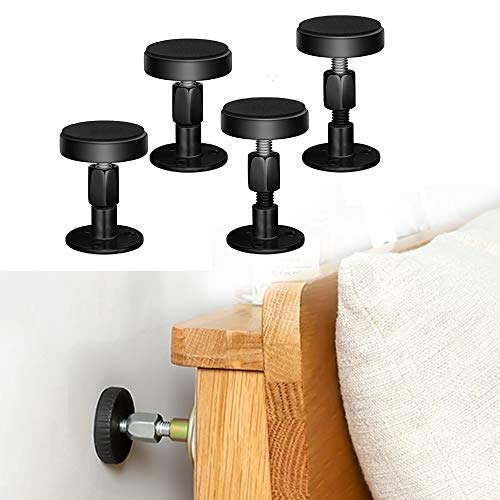
Krisler Adjustalbe Headboard Stoppers for Wall, 4PC, 30-68mm, Black | Headboard Stoppers, Bedside Anti Shake Tool for Beds Cabinets Sofas, Reduces Noise and Wall damage
Check price on Amazon
PUTORSEN Anti Tip Furniture Anchors, Heavy Duty Wall Safety Kit | 2 sets of adjustable anchors secure furniture for baby and pet safety with earthquake-resistant design and easy installation.
Check price on Amazon
LveSunny 4Pcs Headboard Stoppers for Wall, Adjustable Headboard Stoppers, Bed Noise Stopper for Headboard, Couch, Bed Wall Bumper, Wall Protector, Easy to Install(1.18-2.52In) (Large)
Check price on Amazon
OIKOZEL 4PCS Adjustable Headboard Stoppers for Wall, Bed Frame Stabilizer | Bed Noise Stopper with Wall Protection, Anti-Shake Headboard Bumpers for Bed Frame, Sofa, Cabinet, Easy to Install
Check price on Amazon
LveSunny Furniture Pads and Wall Protectors, 23Pcs EVA Foam Headboard Stoppers for Wall, Bed Stoppers for Headboard, 10Pcs (20mm Thick)+13Pcs (3mm Thick) Couch Wall Protector, Black Headboard Bumper
Check price on Amazon
FASIUCHOI 4PCS Upgraded Headboard Stoppers for Wall, Adjustable Bed Noise Stopper with Wall Protection, Bed Stoppers for Headboard for Bed Frame, Sofa, Cabinet, Easy to Install (1.3in-3.4in)
Check price on Amazon
RORMGO Anti Tip Furniture Anchors (6 Packs) Furniture Anchors for Baby Proofing, Earthquake Straps for Furniture Dresser Wall Safety Anchor Furniture Safety Straps Wall Straps, Black
Check price on Amazon